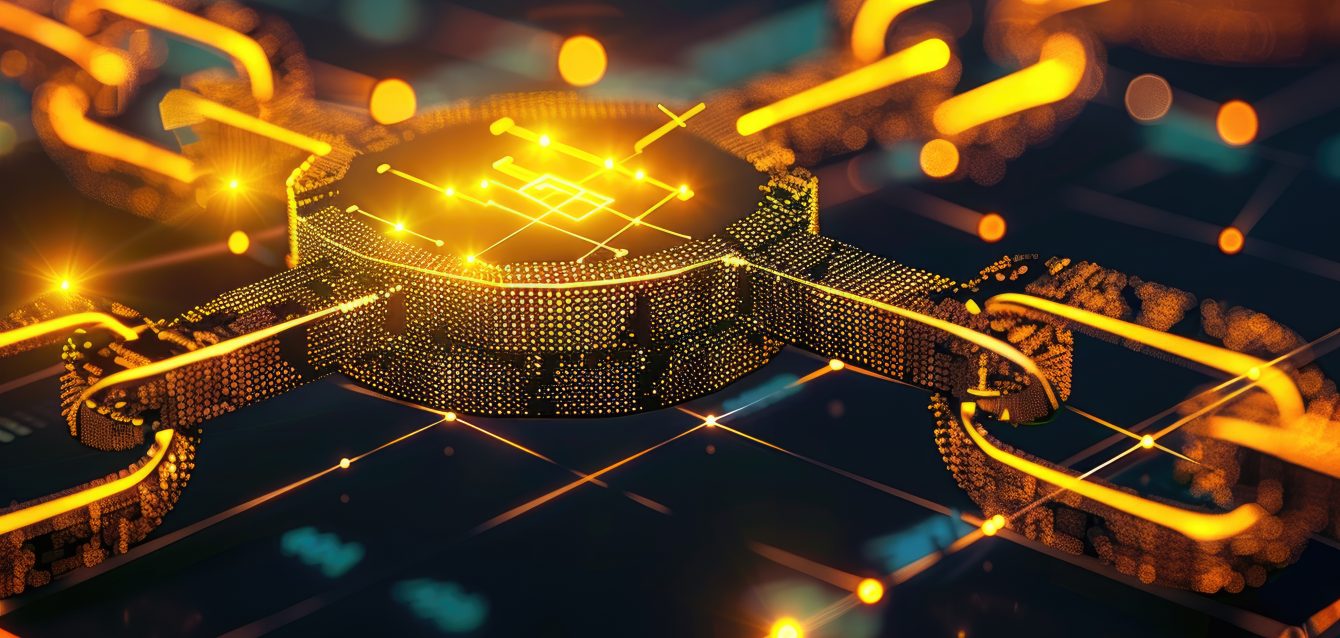
Supply chain management is one of the most complex aspects of global trade, involving multiple stakeholders, extensive documentation, and logistical challenges. Blockchain technology is transforming this landscape by introducing new levels of transparency, security, and efficiency that are reshaping how goods are sourced, tracked, and delivered.
One of the core challenges in modern supply chains is achieving full visibility and traceability from the point of origin to the final destination. Traditional supply chain systems often rely on siloed databases and fragmented communication between participants, which can result in blind spots, data inconsistencies, and delays. Blockchain enables end-to-end traceability by recording each transaction and movement of goods on a decentralized, tamper-proof ledger. Every participant in the supply chain can access the same real-time data, allowing companies to track shipments accurately, verify the authenticity of products, and detect discrepancies early. This is particularly critical in industries such as pharmaceuticals, where counterfeit drugs can pose serious health risks, and in food safety, where contaminated products must be quickly traced and recalled to prevent widespread harm.
Efficiency is another major benefit brought by blockchain in supply chain operations. Traditional systems are burdened by excessive paperwork, manual processing, and administrative delays. Invoices, contracts, certificates of origin, and bills of lading must often pass through multiple hands, increasing the risk of errors and fraud. Blockchain significantly reduces this burden through the use of smart contracts—self-executing agreements programmed with specific rules that automatically trigger actions once conditions are met. These contracts automate many administrative processes, such as validating shipments, issuing payments, or updating inventory, thereby minimizing human intervention, reducing costs, and accelerating the speed of transactions.
Blockchain also enhances trust and collaboration among supply chain participants. Because all parties—from raw material suppliers and manufacturers to distributors and retailers—access the same immutable data, there is greater confidence in the accuracy and legitimacy of shared information. This reduces the likelihood of disputes over delivery times, product quality, or payment terms. The decentralized nature of blockchain removes the need for a single central authority, making it easier for companies of all sizes to participate and trust the system. By creating a shared source of truth, blockchain fosters stronger relationships and better coordination across the supply chain ecosystem.
In addition to operational improvements, blockchain supports sustainability and ethical sourcing initiatives. With growing consumer and regulatory demand for transparency in sourcing practices, businesses must be able to verify that their products are ethically and sustainably produced. Blockchain allows companies to trace the origin of raw materials, monitor carbon emissions, and track adherence to labor and environmental standards. For example, fashion brands can confirm that cotton is sourced from certified farms, while electronics manufacturers can ensure that minerals are conflict-free. This level of visibility helps companies comply with regulatory requirements and appeal to socially conscious consumers.
By delivering transparency, automation, and accountability, blockchain is revolutionizing supply chain management across industries. Organizations that integrate blockchain into their logistics and procurement systems can streamline operations, cut costs, improve stakeholder trust, and build more sustainable and resilient supply chains that are prepared to meet the challenges of a global economy.
Nemo enim ipsam voluptatem quia voluptas sit aspernatur aut odit aut fugit, sed quia consequuntur magni dolores eos qui ratione voluptatem sequi nesciunt. Neque porro quisquam est, qui dolorem ipsum quia dolor sit amet
Nemo enim ipsam voluptatem quia voluptas sit aspernatur aut odit aut fugit, sed quia consequuntur magni dolores eos qui ratione voluptatem sequi nesciunt. Neque porro quisquam est.
Enim ipsam voluptatem quia voluptas sit aspernatur aut odit aut fugit, sed quia consequuntur magni dolores eos qui ratione voluptatem sequi nesciunt. Neque porro quisquam est, qui dolorem ipsum quia dolor sit amet